I have once again entered a familiar cycle: a period of intense immersion triggered by the release of new models or tools. After the reinforced illusion of "omnipotence," there comes endless emptiness and exhausted imagination.
This "period" happens roughly every two or three months. The painful experience two cycles ago once spiraled into bipolar disorder. Thanks to the release of nano banana, I created the bipolar banana app and found a balanced outlet. Last time, I took my camera out of the dry cabinet, where it had sat for a long time, and hit the streets. I'm grateful for the earthly bustle that re-injected a bit of "inspiration" into me.
Now, just as I mentioned at the end of an article a few days ago, I have picked up the camera again.
A friend asked me if picking up the camera meant that the boundaries of expansion brought by this wave of models had been mostly explored. I've somewhat forgotten my answer then, but at this moment, my answer should probably be: humans always need time to accept, adapt, and create anew.
A long-time photographer friend asked me why I bother picking up the camera. My answer is: a sense of ritual. Perhaps only the moment I hold the camera do I switch modes and truly feel "existence."
At this point, I am willing to believe: this world is physical after all; this world truly "exists."
During the most secluded period a few years ago, a year or two before the release of ChatGPT, I finished a certain book.
During that time, I happened to be at the intersection of three states:
Building massive data models to track macro and microeconomic conditions at high frequency;
Obsessed with photographing black-and-white architecture;
Falling asleep every night to the Goldberg Variations.
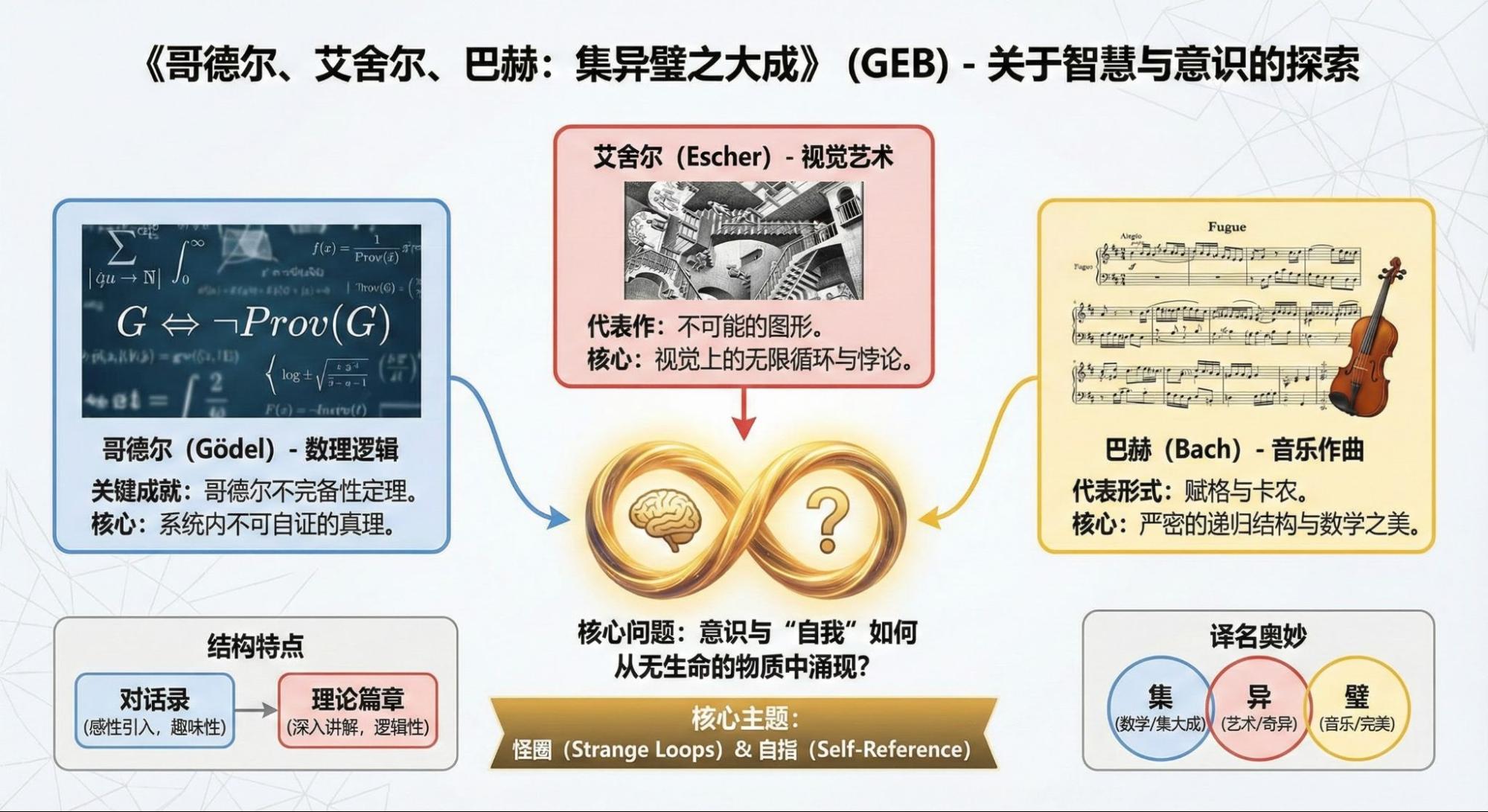
Consequently, this book became the most miraculous book I've ever read: it made me seriously consider and put into practice a possibility—is this world digital? If it is digital, and if a Möbius strip can exist, could this world truly be a "computer simulation"?
This led me to become deeply immersed in black-and-white photography that expressed no emotion.
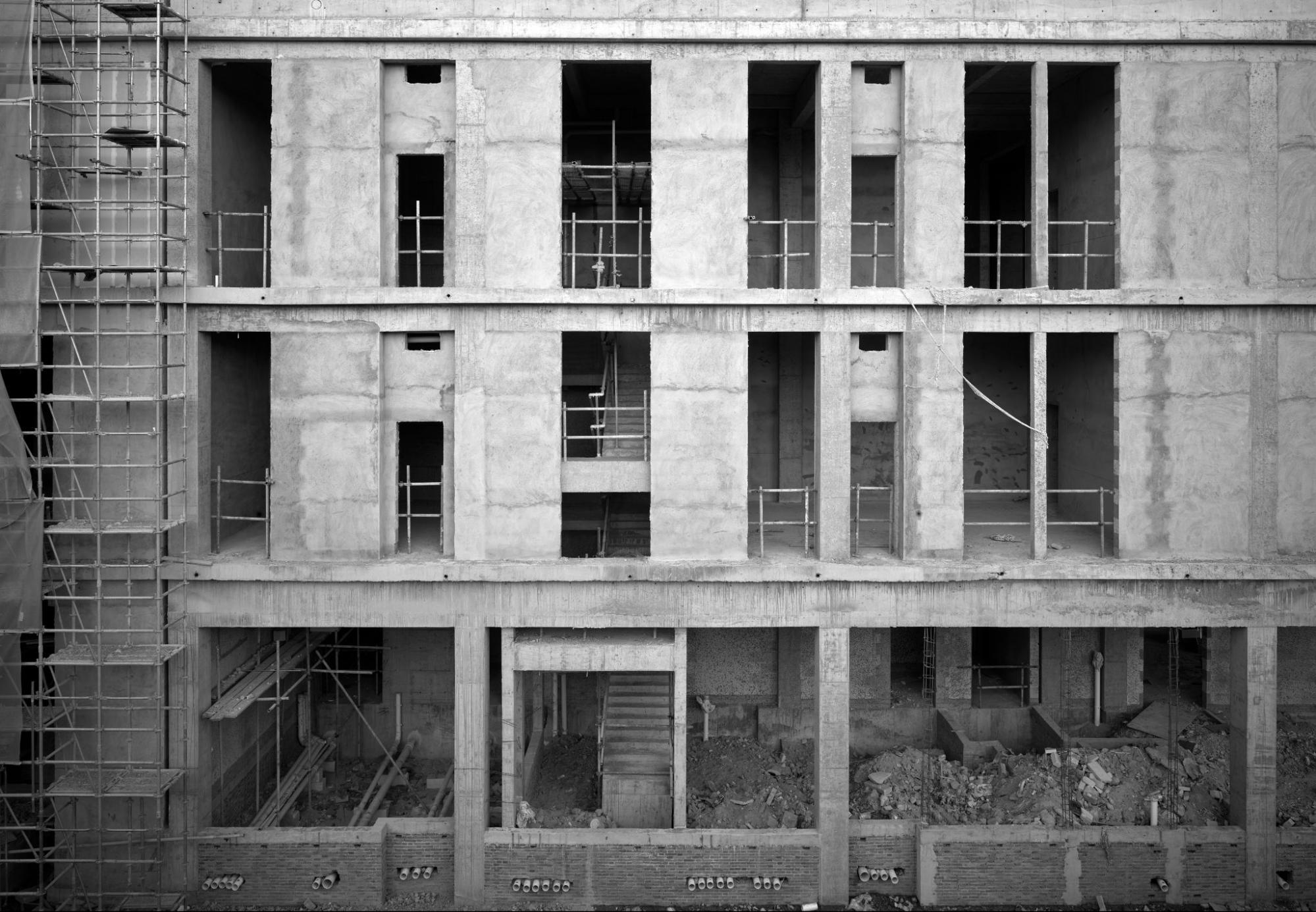
When I saw the construction site above and finally managed to photograph it after trying for many days, I added many logos to it. Four words flashed through my mind: Digital, Future.
And so, it became my WeChat profile picture for the past four or five years.
During those years, many photographer friends criticized me for being "devoid of emotion."
Three years ago, this evaluation of being "emotionless" found a perfect real-world footnote: AI.
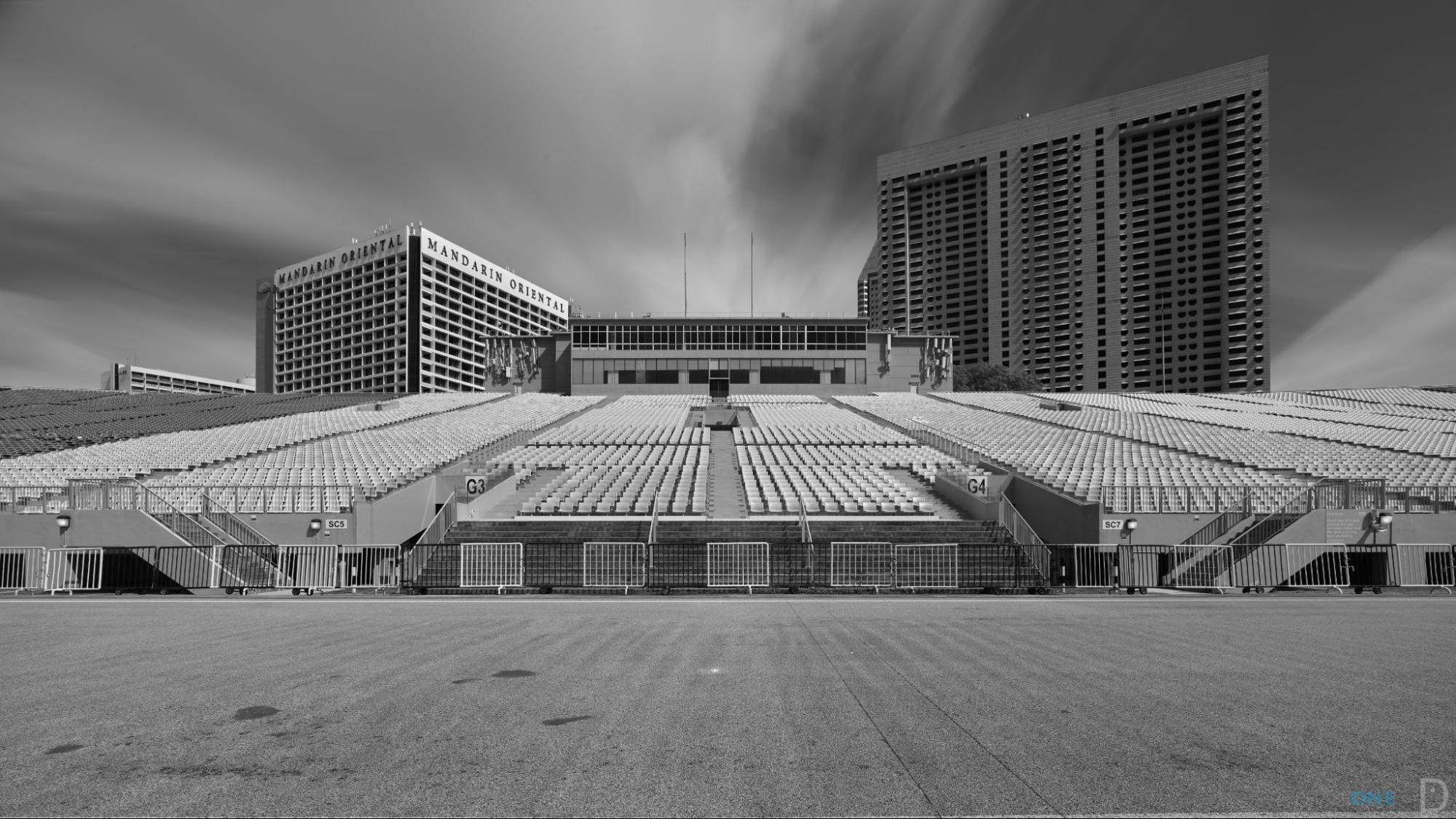
But I know I have emotions. When facing an empty grandstand, or during an offline talk where I titled the photo above "No Audience," I knew my emotions were full. It is because of emotion that one sees and stays; because of emotion that one ponders how to express; because of emotion that one knows to freeze that specific fragment of time.
Everyone has emotions and should have them. Unfortunately, emotional expression under the "Law of Large Numbers" has become the best fuel for today's AI, challenging "Gödel's Incompleteness Theorems."
It constantly hints to us that a "perfect machine" might exist, and our world might just be one of its "simulations"; the Möbius strip exists, we just haven't found it yet.
But what about the opposite of perfection?
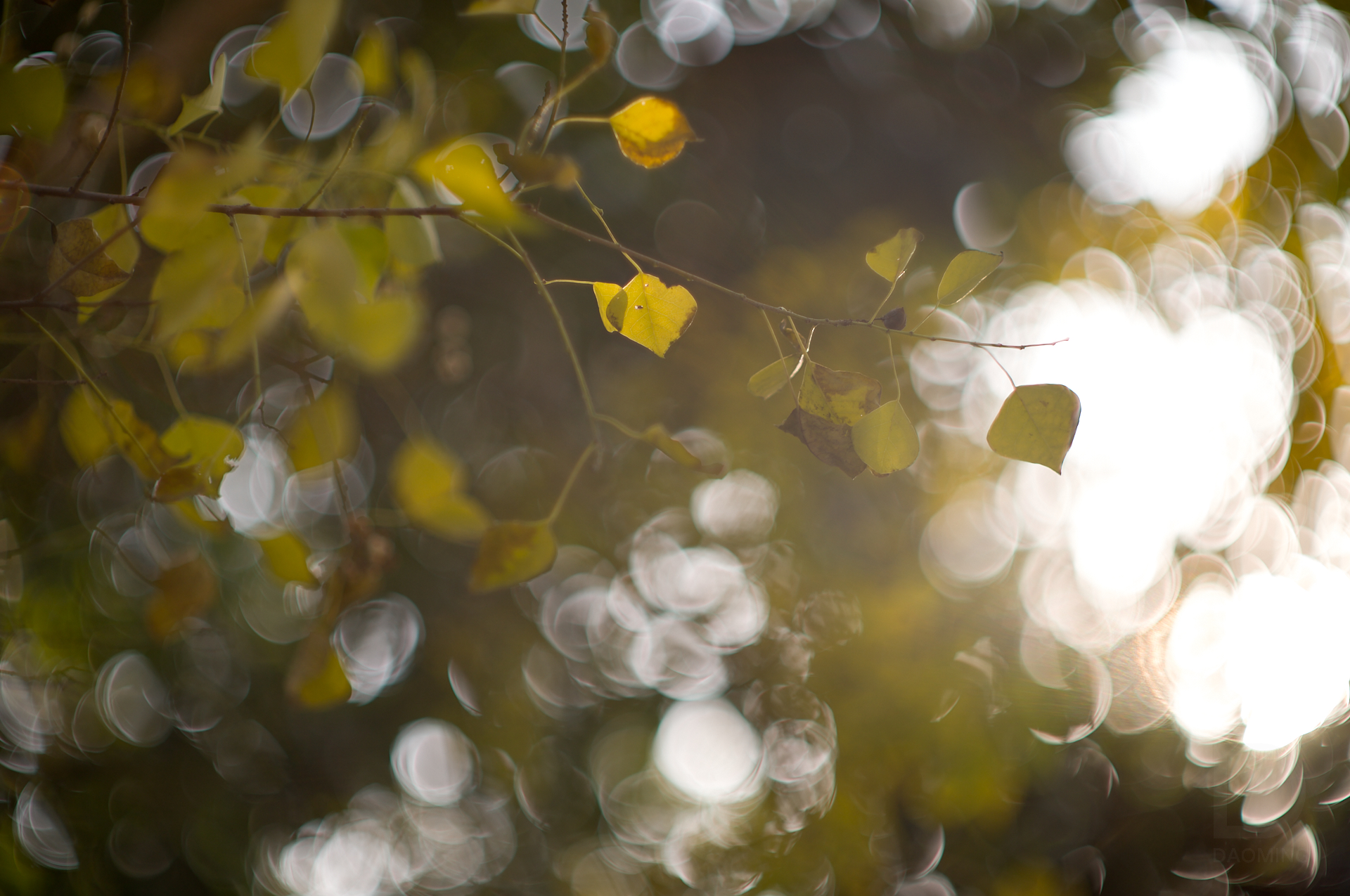
I have no answer. But I am grateful for the camera I picked up once again and for "light." It no longer refers to "photography is the art of using light," but tells me that the world is changing at every moment. I am grateful for imperfection because every shutter click is unique.
If Gödel's Incompleteness Theorem is correct, what does it mean? A recent paper has been discussing this. My understanding is simpler: we can only simulate, not replicate this world, and we cannot replicate intelligence.
The pursuit of world models is certainly practical, but the underlying logic is not mysterious at all: using more data and computing power to partially simulate.
Because this world may be physical after all; this world may truly exist.
This is what I can truly feel at the moment I pick up the camera again.

Every scene is different, every leaf is different, every breeze is different, and the light at every moment is different.
If we exclude human presence, how much computing power or how many tokens would we need to spend to represent the world at every moment?
Calculating as I shot: Earth's surface area is about 500 million square kilometers, land area is about 30%, so the effective recording area might be 5000.3 + 5000.1 = 200 million square kilometers (assuming the ocean requires far less). If we record an average space height of 5 meters, that's 10^15 cubic meters. If we use one token to represent one cubic centimeter, that's 10^21 tokens per moment. For reference, Google announced the total tokens for the entire month of September was 1.3Q, which is 1.3*10^15.


I don't know if every corner needs to be recorded at every moment. I don't know how many orders of magnitude more would be needed if we add factors like climate and human activity.
But I seem to have an answer within a range. If Gödel's Incompleteness Theorem is real, if our world is real, and if we can only simulate, then today's computing power is still a dozen orders of magnitude away from an acceptable simulation effect.
Even if global computing power increases by an order of magnitude every year, how many years are we short?
Perhaps in the process of pursuing "simulation precision," we will find many optimization methods. Perhaps a breakthrough in quantum computing can achieve a cubic reduction in complexity in many fields. How many years are we short then?
What if we miscalculated the orders of magnitude?

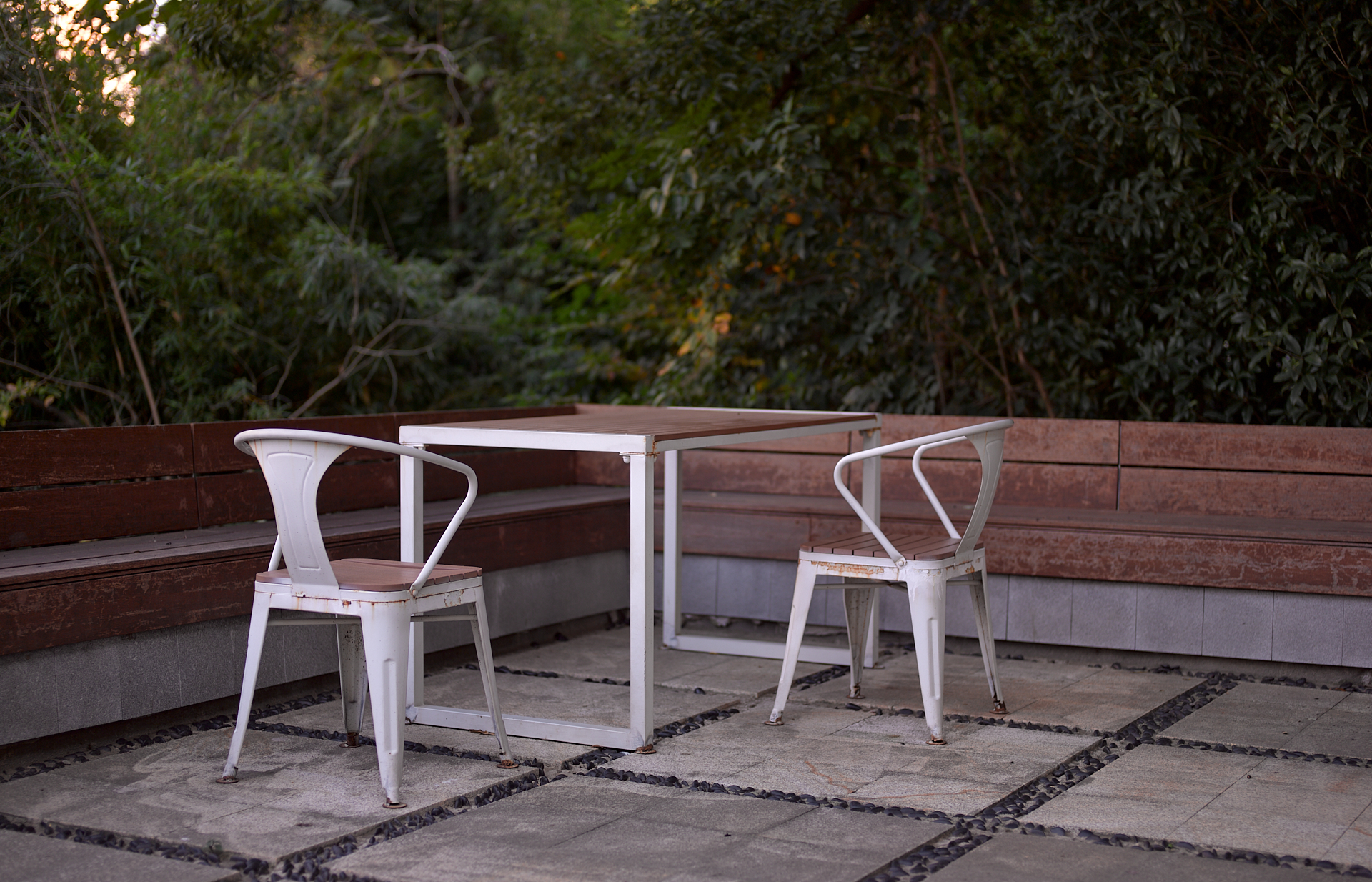
Calculations always involve errors. As long as the assumptions are clear, calculations are also emotionless.
However, different people will project their own different emotions into it.
So, is what I've described optimistic or pessimistic?
Let there be light; let there be imperfection.
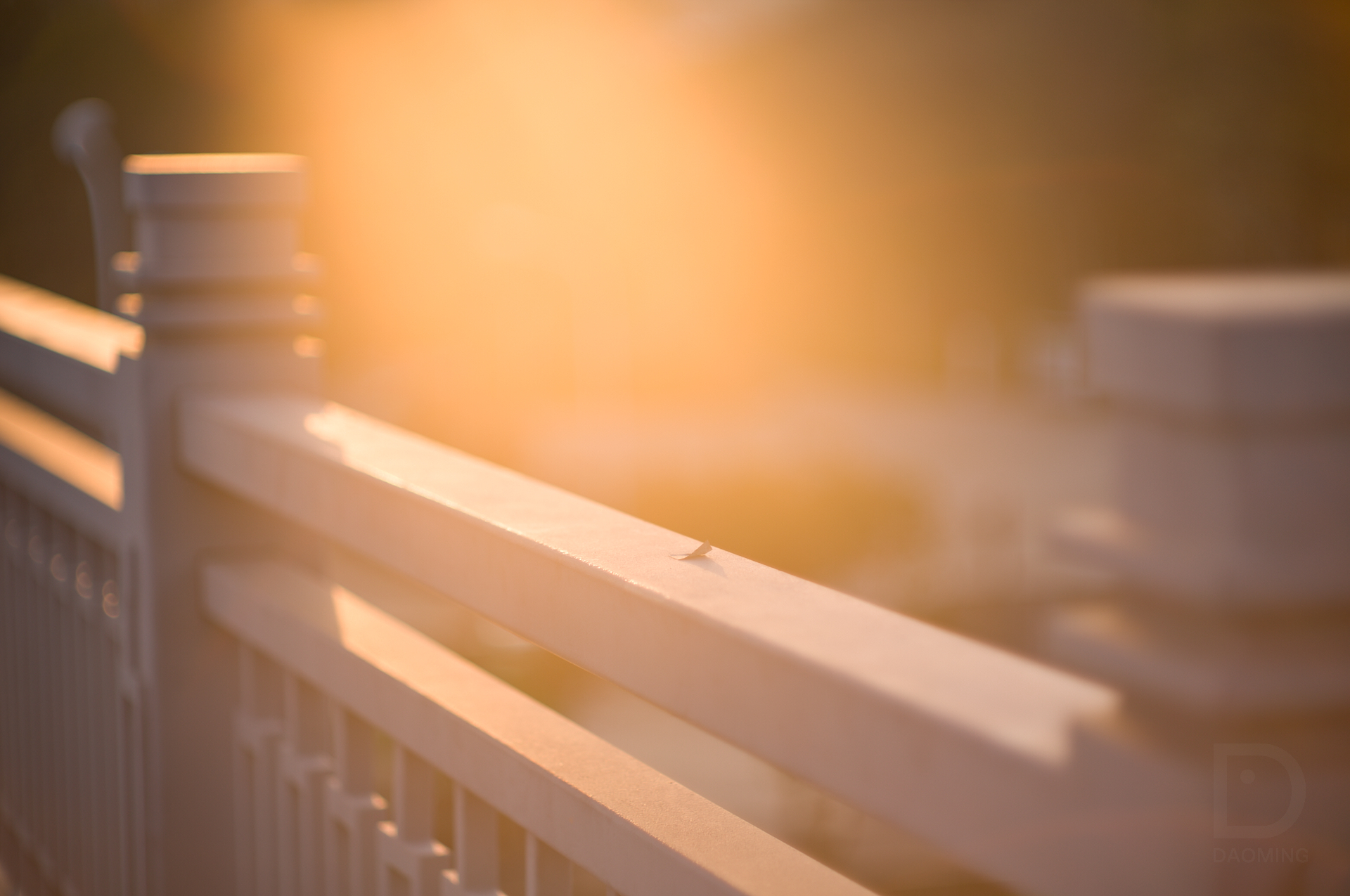
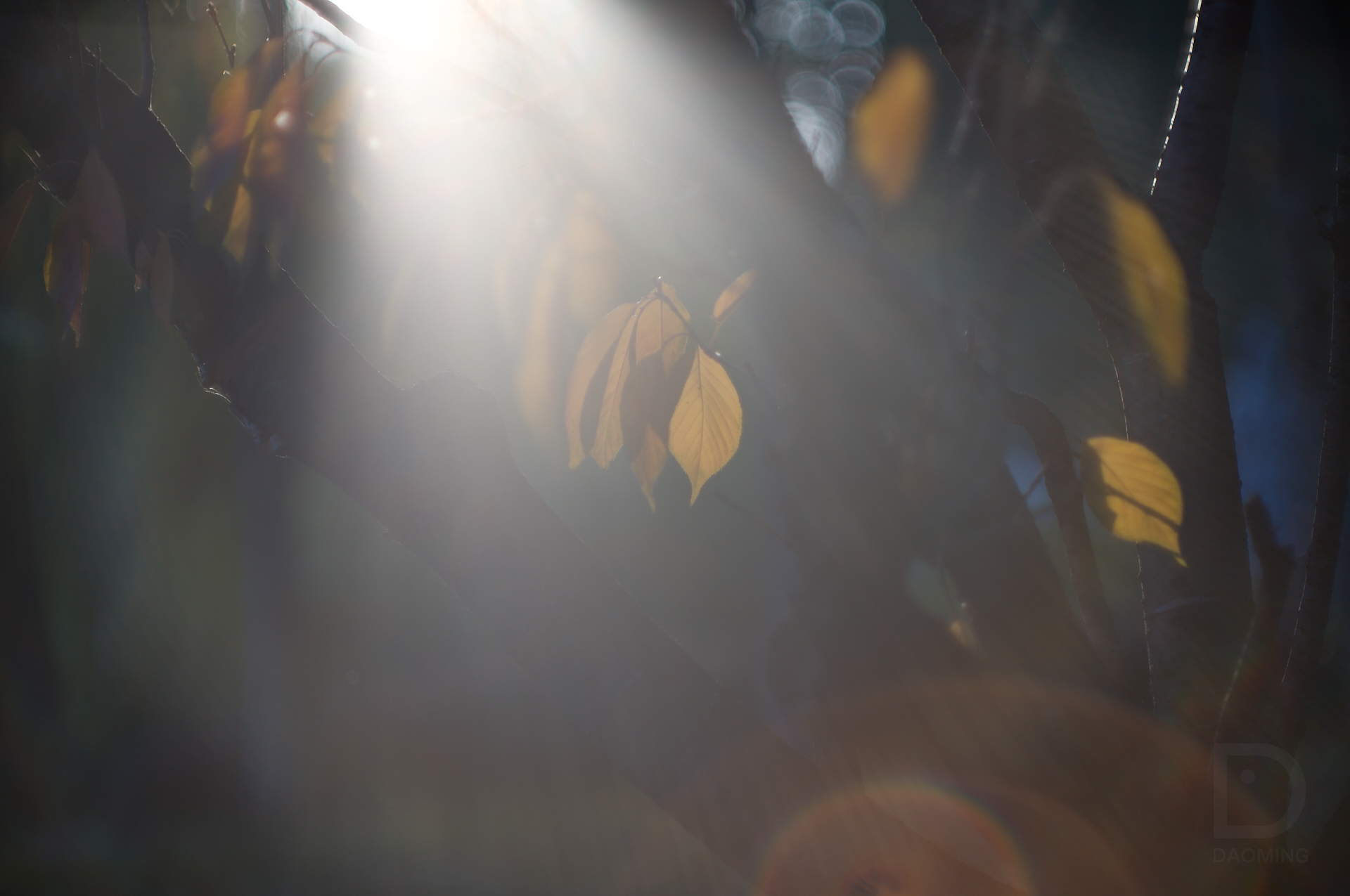

Who cares if others think it's beautiful or not? At the moment I press the shutter, it's enough that I feel it's "worth it."
This world, in the end, is physical; this world, in the end, is incomplete; this world is about letting oneself go.