The Probability of Perplexity Acquiring the Chrome Browser is Virtually Zero
Today, a "snake swallowing an elephant" headline hit the news: AI search company Perplexity is attempting to acquire Google's Chrome browser for $34.5 billion. This has sparked a new wave of interest in digging into Perplexity and its idiosyncratic CEO.
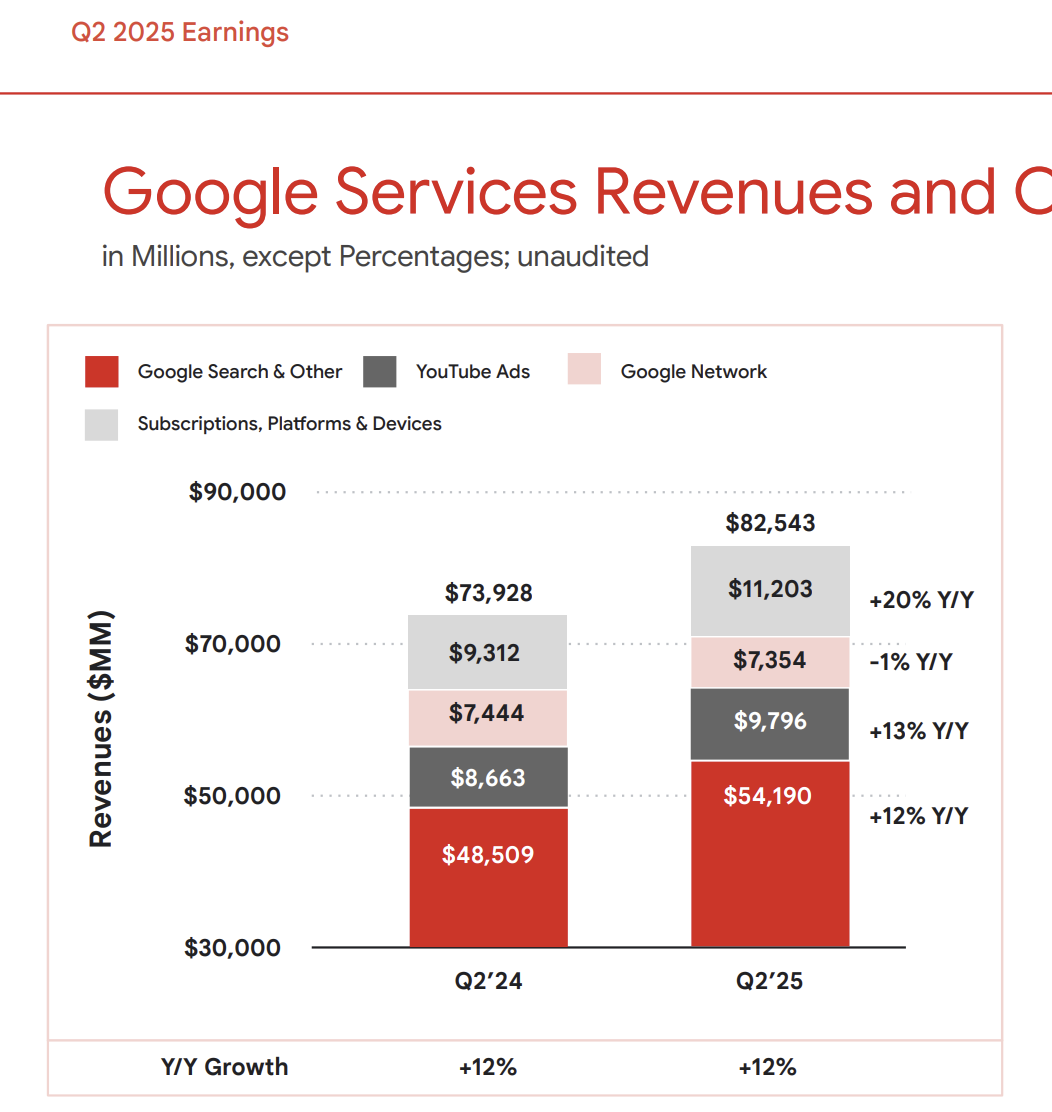
As is well known, within Google's business landscape, advertising revenue driven by search is the most critical cash pillar. In the latest Q2 2025, it contributed $54.1 billion out of the $96.4 billion total quarterly revenue.
Advertising is supported by search, and the carrier of search is the browser, most importantly Google's own Chrome browser. Google once hoped to build Chrome into the carrier of a next-generation operating system (the Chrome OS concept still exists, but that's largely just a name now). Amid Google's most troublesome antitrust investigations, rumors have persisted that a judge might force Google to sell Chrome. If that were the case, there would be no shortage of buyers. Perplexity jumping in now provides excellent publicity. Setting aside whether Google will actually be forced to sell Chrome, Perplexity itself has been the subject of acquisition rumors, with the most recent suggesting Apple might acquire it for $30 billion (Perplexity is currently valued at $18 billion in private equity markets). As a relatively successful independent company in the AI space, Perplexity indeed took the lead in the concept and product of AI search. However, controversies have never ceased, with content websites consistently complaining that it violates the robots.txt protocol (a file websites place in their directory to specify which parts crawlers can access).
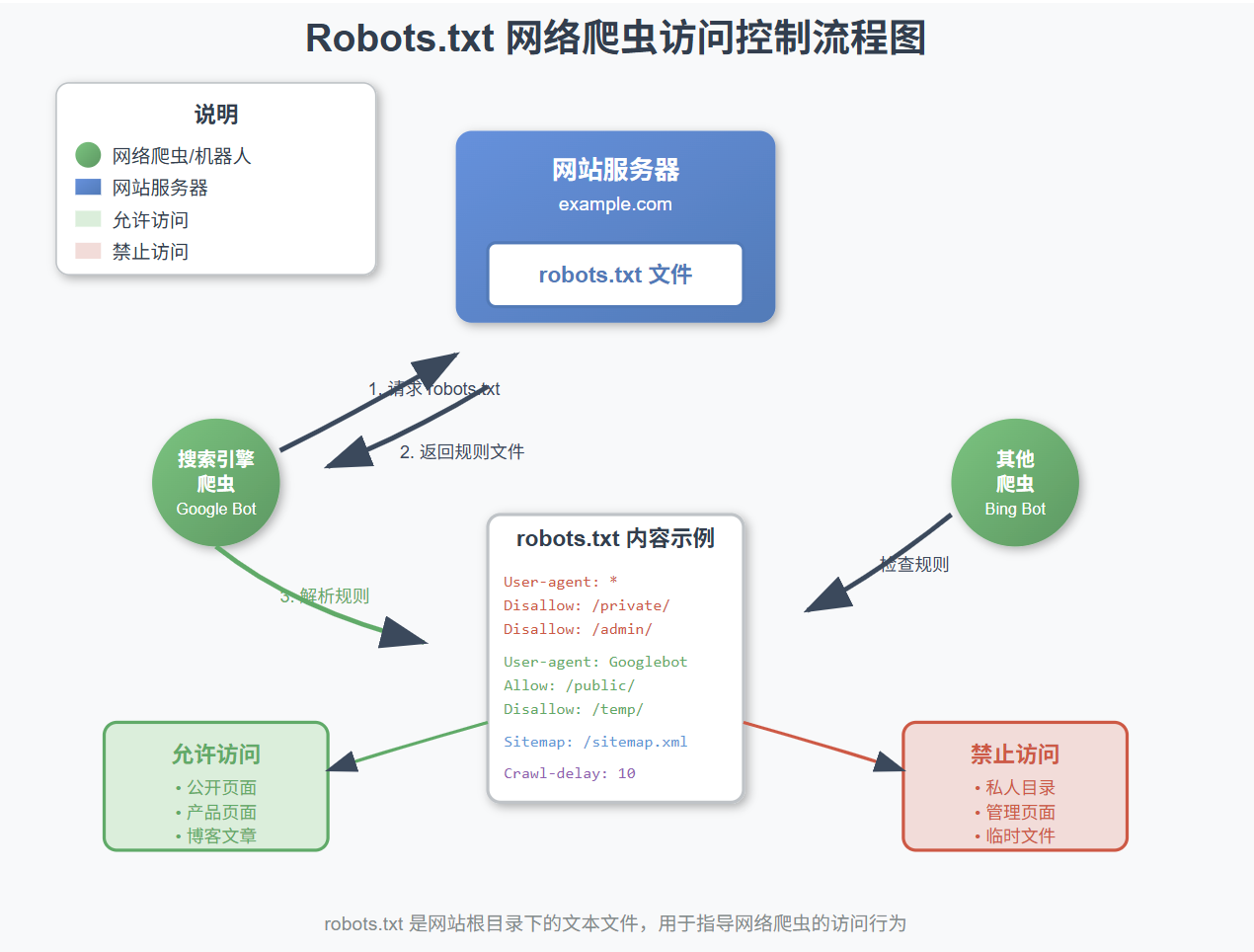
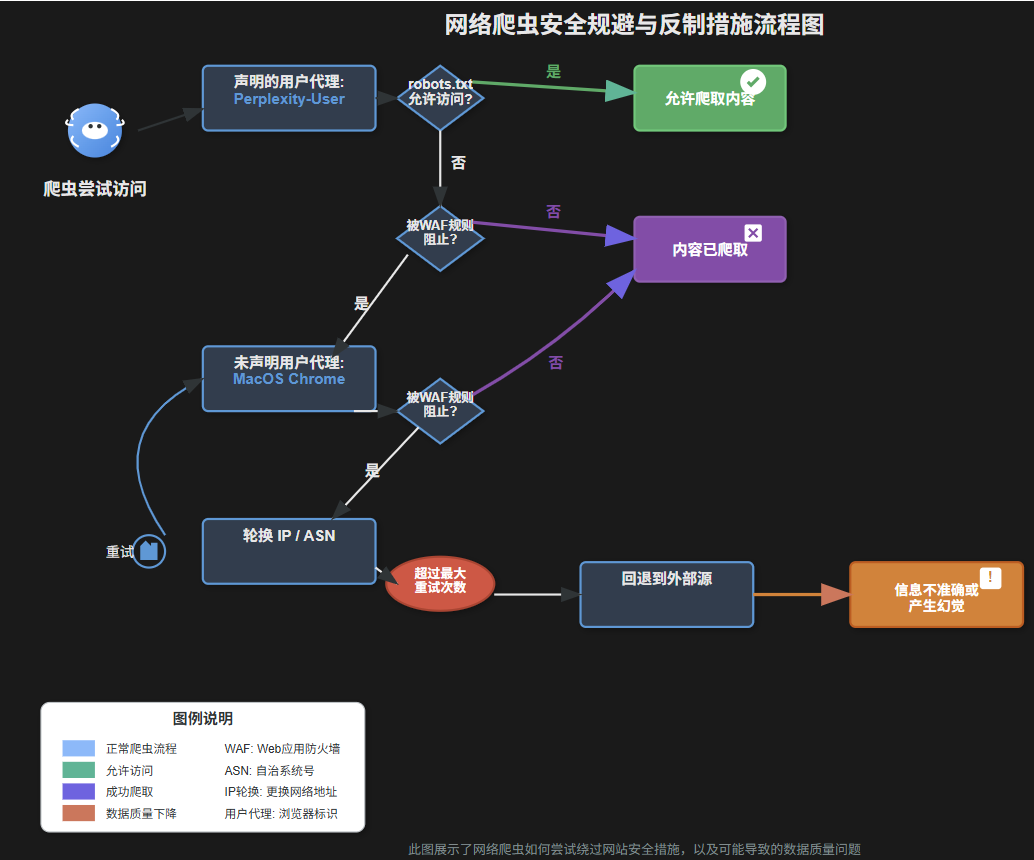
On August 4, Cloudflare published an article criticizing Perplexity for violating "robots.txt." Of course, Cloudflare's motives weren't entirely pure; it was promoting its latest paid business model where users deploy crawlers on Cloudflare and pay content websites. Cloudflare included a flowchart, shown below, illustrating how Perplexity bypasses robots.txt. Out of respect for copyright, it is posted here.
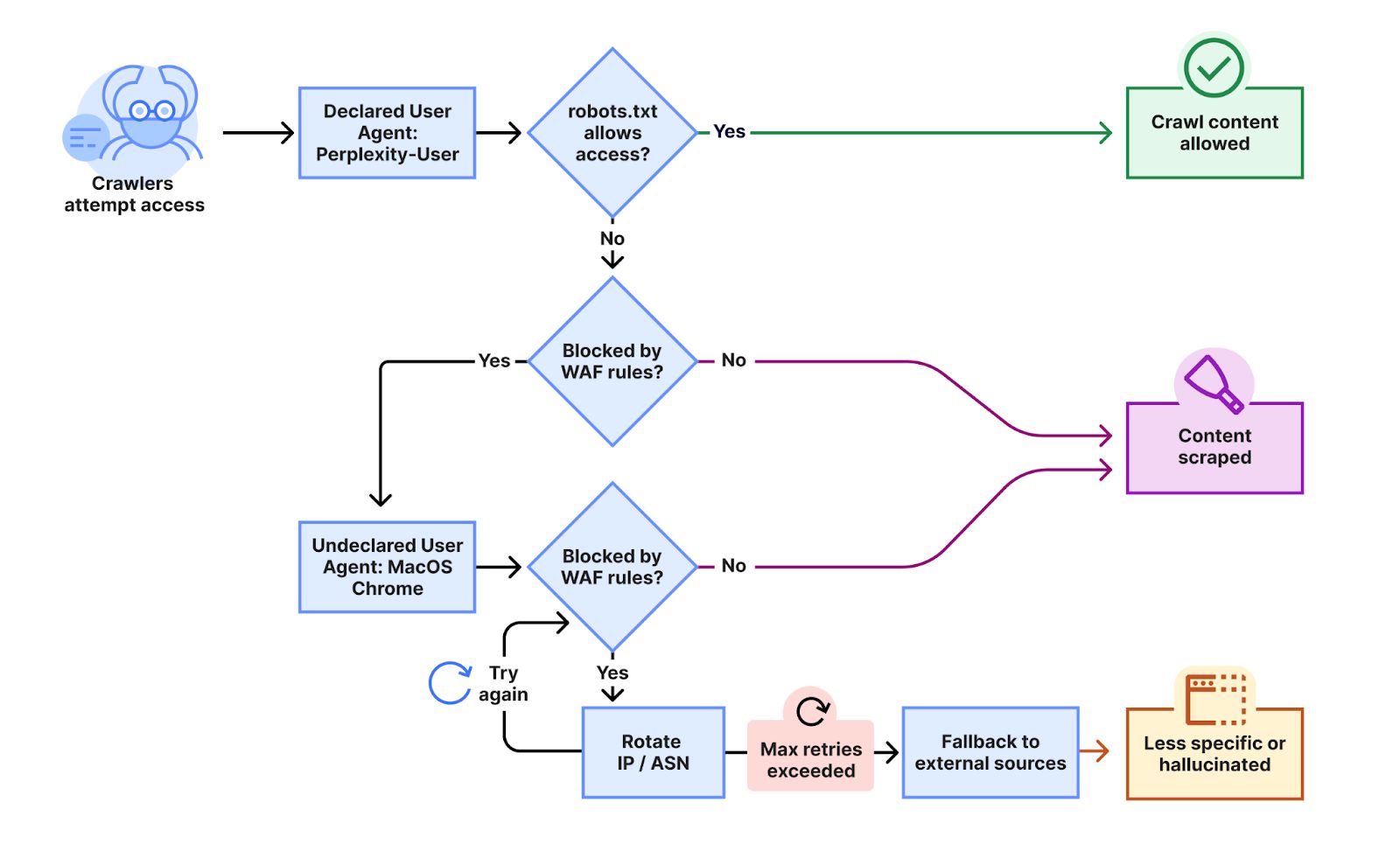
I used Claude to regenerate a Chinese version of this diagram.
Therefore, at this point in time, Perplexity's proposal to acquire Chrome likely serves the primary purpose of "distraction + advertising."
Of course, setting controversies aside and returning to the business itself, Perplexity's competitiveness has likely weakened significantly recently. Today, numerous model applications have added AI search features: ChatGPT, Gemini, Claude, Grok, and various domestic Chinese applications. AI search has returned to a competition of search accuracy and model capability—two areas where Perplexity has obvious shortcomings.
While I have always believed Apple should accelerate its acquisition of Perplexity to strengthen the integration of ecosystem search (local devices + iCloud) with internet search, that window of opportunity is very short. Perplexity likely knows this too; if succeeding as an independent entity is difficult, selling for a good price seems like the best option.
If they could acquire Chrome, it would make for a great story: the primary entry point for search in the AI era.
However, I believe the probability of this succeeding is near zero, or simply zero.
First, "Google being forced to sell Chrome" remains an unlikely outcome:
Search monopoly power doesn't primarily stem from Chrome, but from paying "exclusivity fees" to browsers like Safari.
References to selling Chrome often stem from Microsoft's past bundling of IE with Windows to engage in "unfair competition" against Netscape. However, at that time, software was the valuable asset; today, services are. Google's real value lies in its search service, not the Chrome browser itself (not to mention that in the AI era, the browser itself may be restructured).
Splitting off Chrome to ensure Google Search isn't the default might slightly change user habits, but currently, what is more likely—and already happening—is that "search is being embedded into AI applications themselves."
Secondly, looking at Perplexity's activity, despite over 100% growth in the past year, its scale remains small (fewer than five million daily users). Not only is its absolute volume incomparable to ChatGPT, but its growth rate doesn't seem to have surpassed it. Even Gemini has significantly exceeded it in both traffic and growth. Not to mention Google's own AI search service, AI Overview, has seen user numbers jump from 1.5 billion in May to 2 billion. In terms of actual quality, while there are many complaints about AI Overview (more use leads to more complaints), the results are still significantly better than Perplexity's. I still use Perplexity frequently, but my use cases are becoming increasingly narrow—searching for things I don't want Google to record or use for recommendations, like celebrity gossip.
Even if Chrome were ultimately ordered to be divested, Perplexity is neither a match for it nor capable of managing it. Google could instantly add better search to its Gemini app, making Chrome itself lose value rapidly. Even if Google were a willing seller, Perplexity would never be on the shortlist of top-tier buyers.
I didn't originally plan to respond to this news, but it touches upon "AI Search," a vital field in AI applications. I can't quite say yet if this will truly shake Google's foundations. However, over twenty years ago, I had the privilege of being involved in the business then known as "massive full-text retrieval." I won't recount the blood, sweat, and tears of R&D and engineering, but back then I established a basic understanding: there are only two kinds of search in the world—one is Google, and the other is "Everything Else." "Everything Else" has another name: "Trash."
Twenty years later, the most reliable thing is still the antithesis of that "Everything Else." This cannot be explained by monopoly alone. Any business not rooted in technology itself is perhaps just a passing cloud.