While in between looking for my next goal, I browsed through some papers I had accumulated in the past but hadn't had time to digest.
A data analysis published by Anthropic in early April regarding how university students use the Claude model made me feel it was necessary to share the preliminary version of the "C++" learning website I generated during my break last week.
First, let's briefly summarize Anthropic's conclusions:
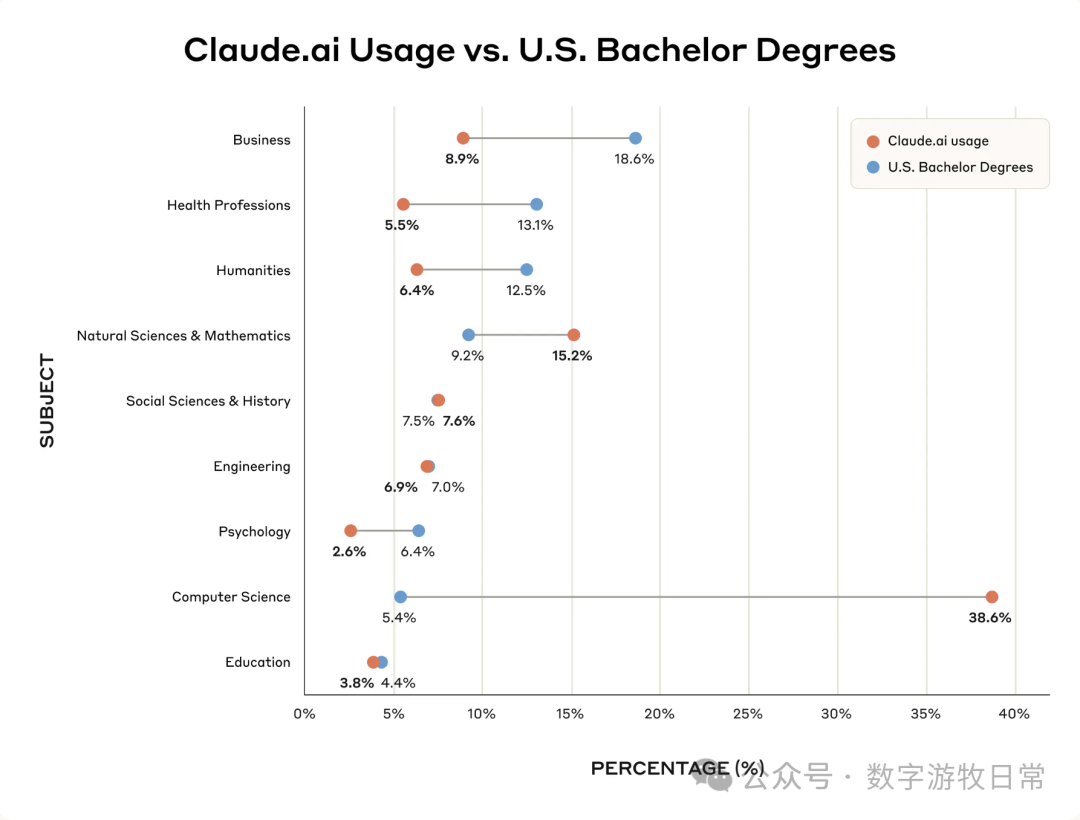
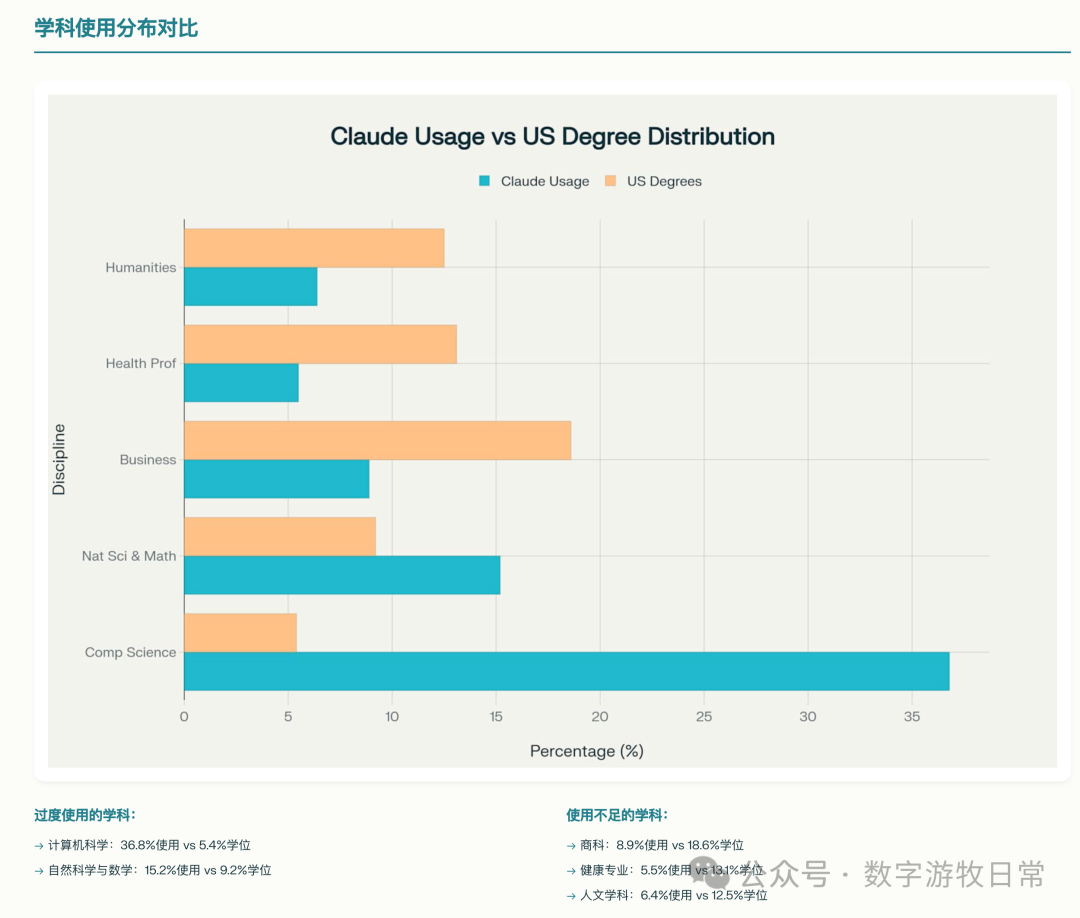
Firstly, there are massive differences in AI usage across various disciplines. For instance, Computer Science students, who make up 5.4% of the population, contribute 38.6% of Claude usage (as a proportion of the total university student sample). Natural Sciences and Mathematics are at 9.2% vs. 15.2%, while Business is the opposite: 18.6% of the population accounts for only 8.9% of usage. Health and other humanities disciplines show a similar trend. Of course, this only tracks usage on Claude.ai (likely including the official Claude app); if third-party API calls were considered, the usage proportion for Computer Science students would likely be even higher.
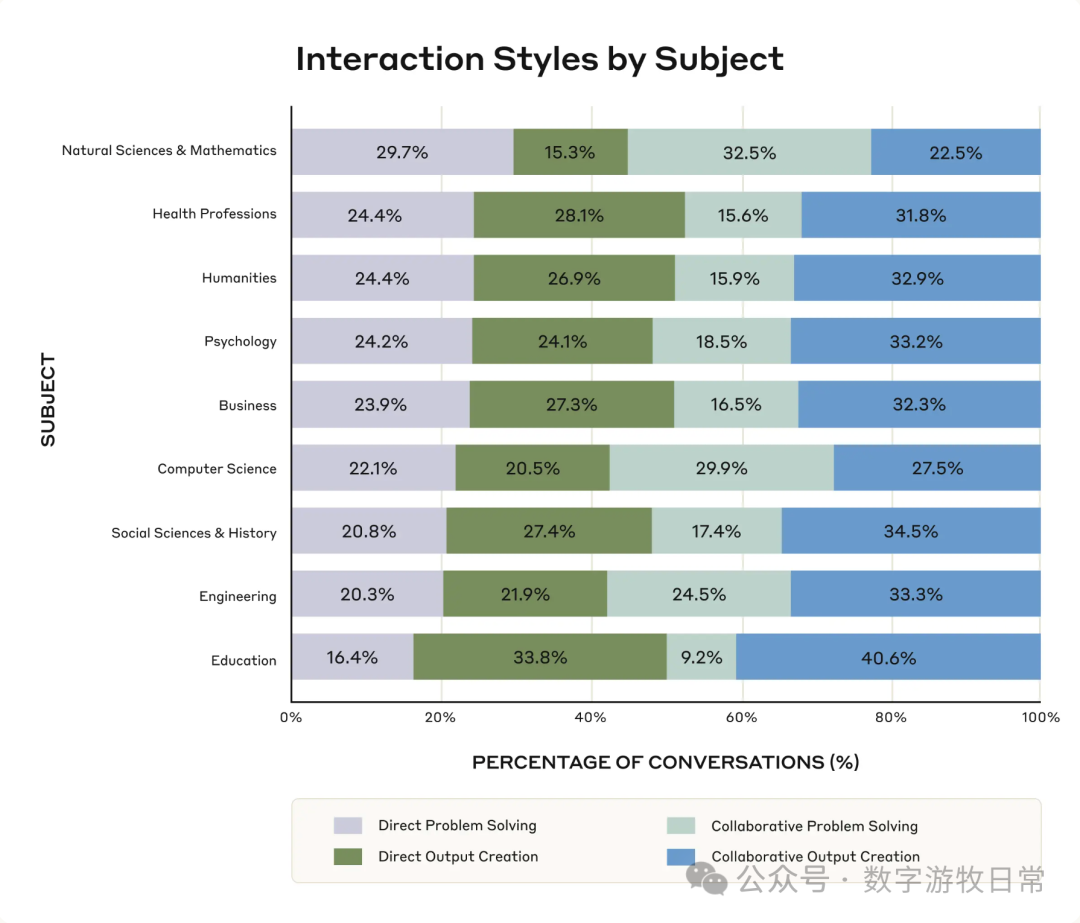
Secondly, usage objectives display different characteristics: students in Natural Sciences and Mathematics have a greater demand for "problem solving" and less for "result output." Computer Science students are relatively balanced, while Business and Humanities students show a stronger preference for "result output" (such as the PPT and website generation I often demonstrate). Education majors overwhelmingly require "result output" (as seen in my small project example later).
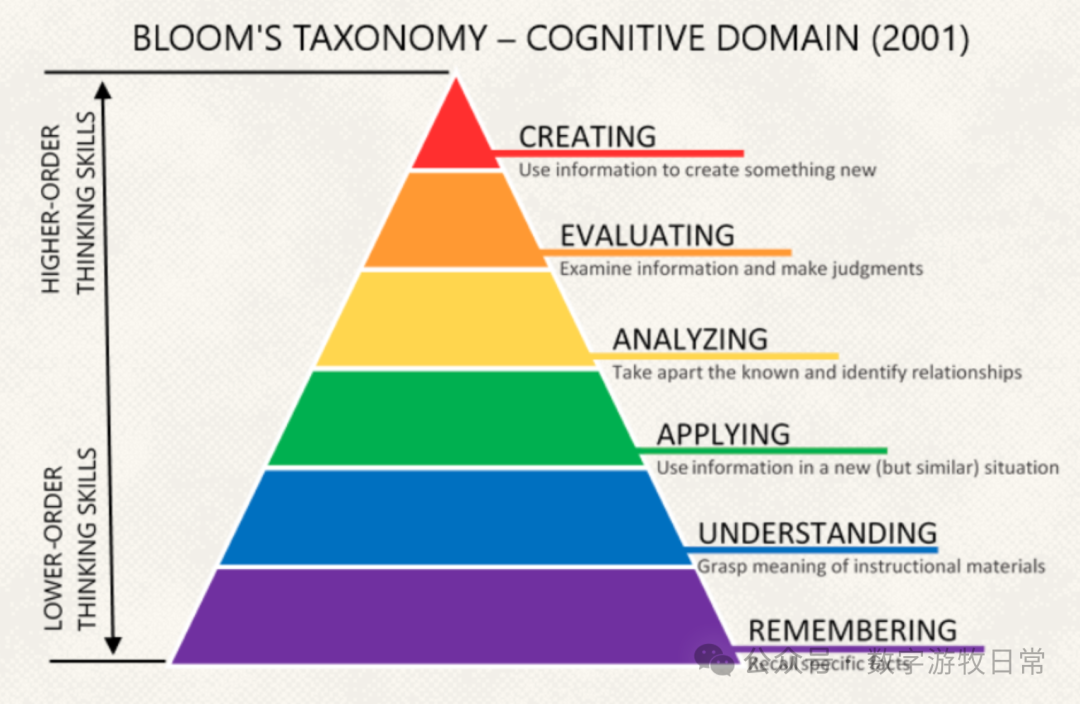
Thirdly, according to Bloom's Taxonomy standards (as cited by the University of Florida), over 70% of usage falls into high-order cognitive skills such as "Creating," "Analyzing," and "Evaluating."
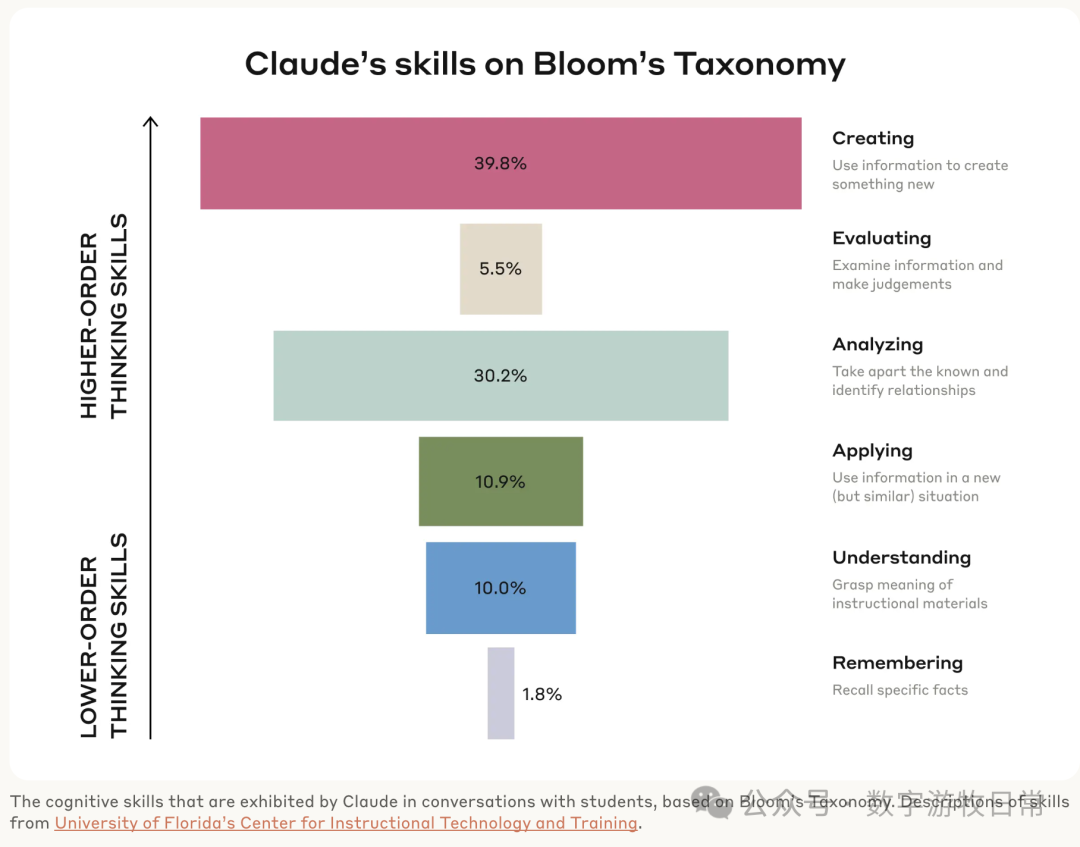
This article provides at least some data support. Of course, Claude has a potential user bias (since the model has stronger coding capabilities), which might "amplify" usage in Computer Science to some extent. Nevertheless, it holds high reference value overall.
The original article is as follows:
Anthropic's Data Analysis on University Students Using Claude
https://www.anthropic.com/news/anthropic-education-report-how-university-students-use-claude
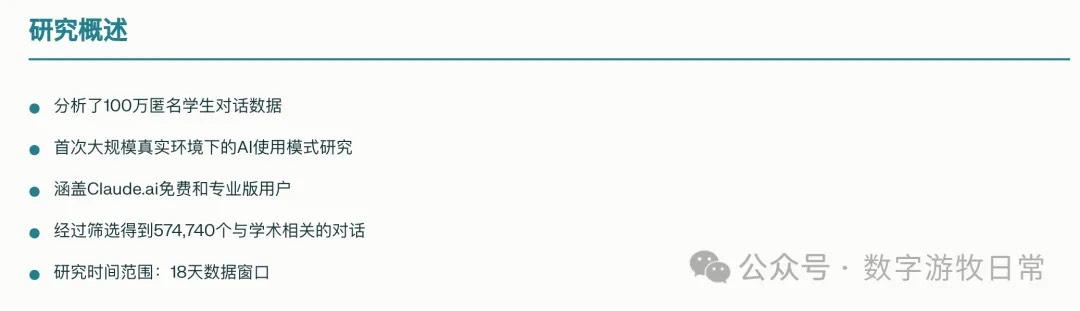
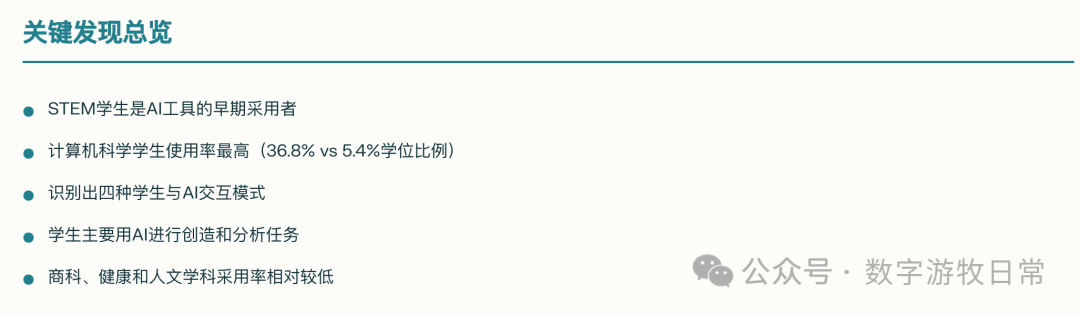
If you prefer not to read the English version, I also had Perplexity Labs generate a brief Chinese PPT summary. Screenshots are below:
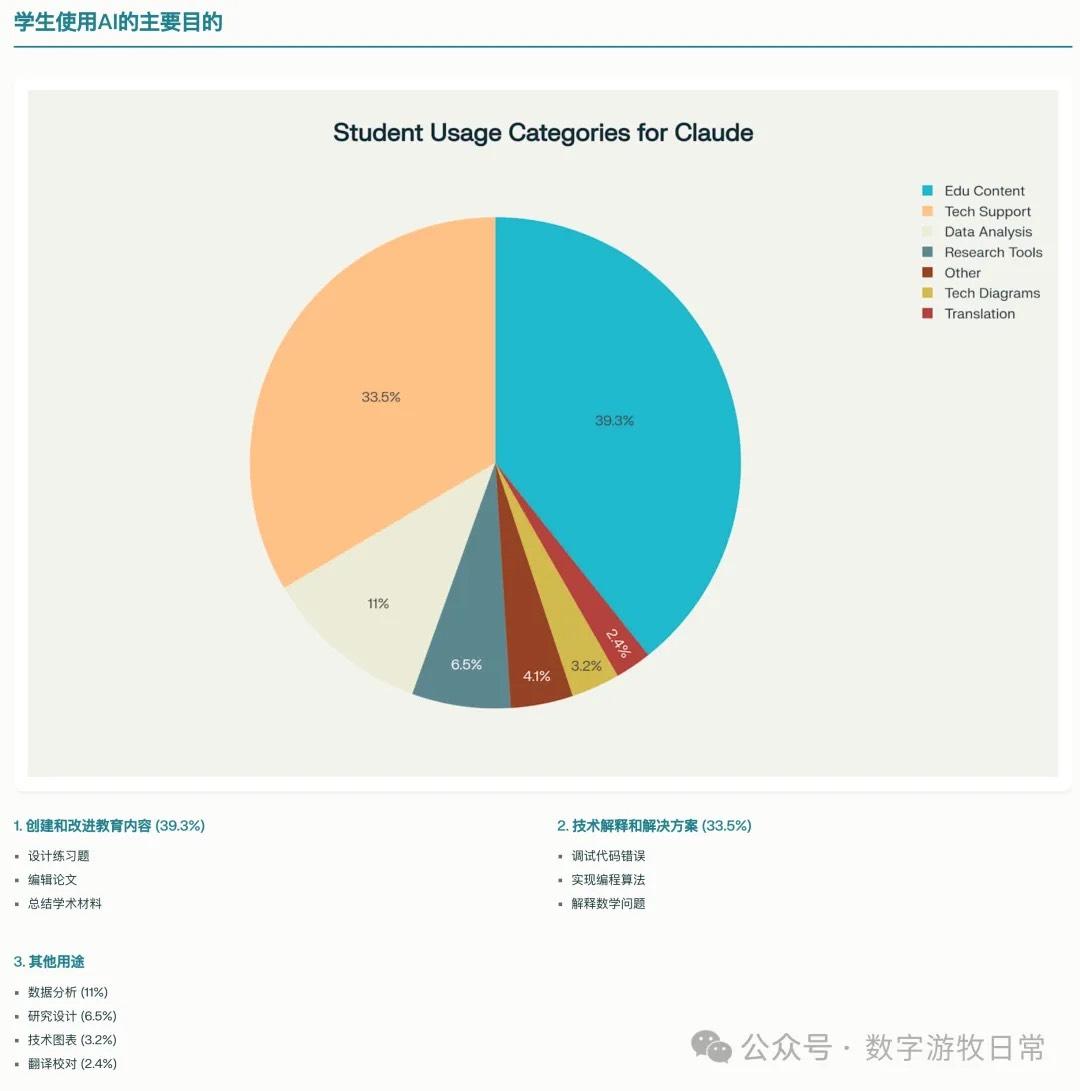
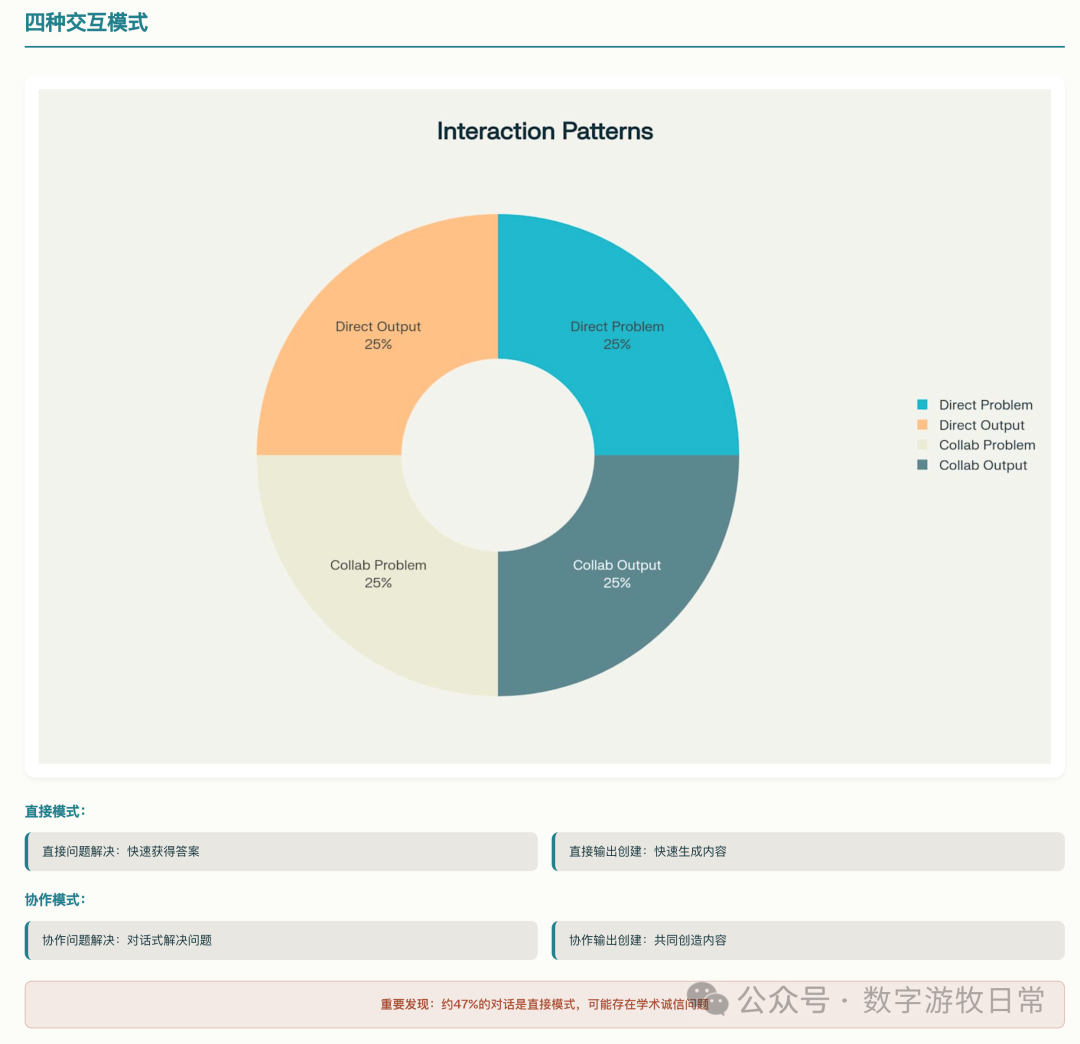
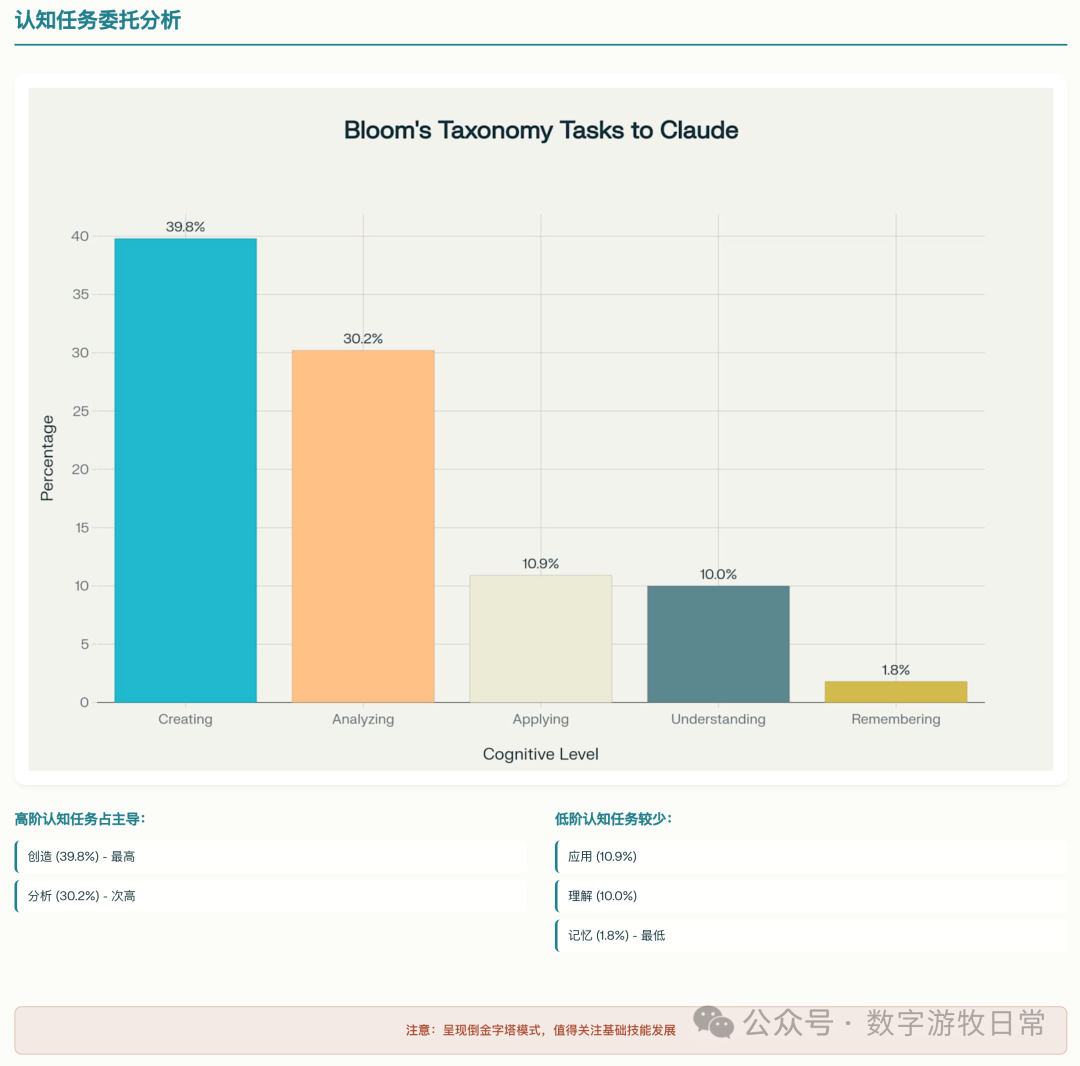
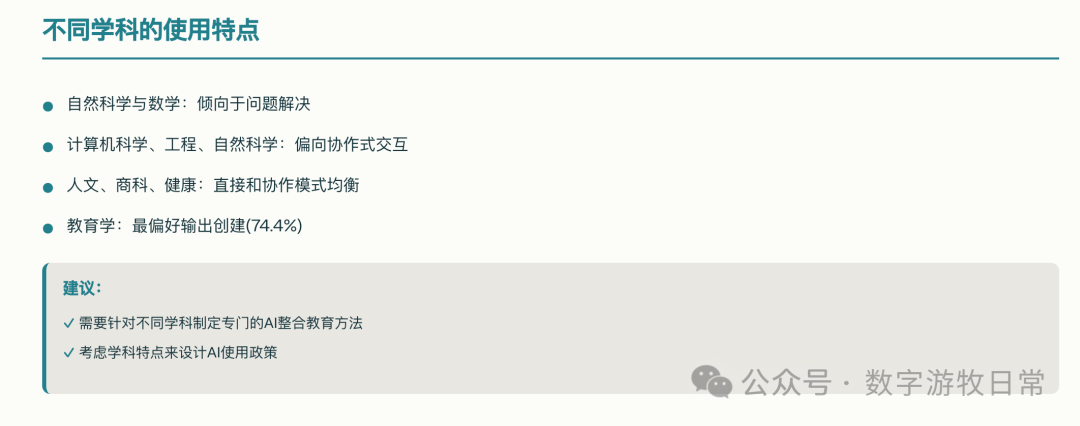
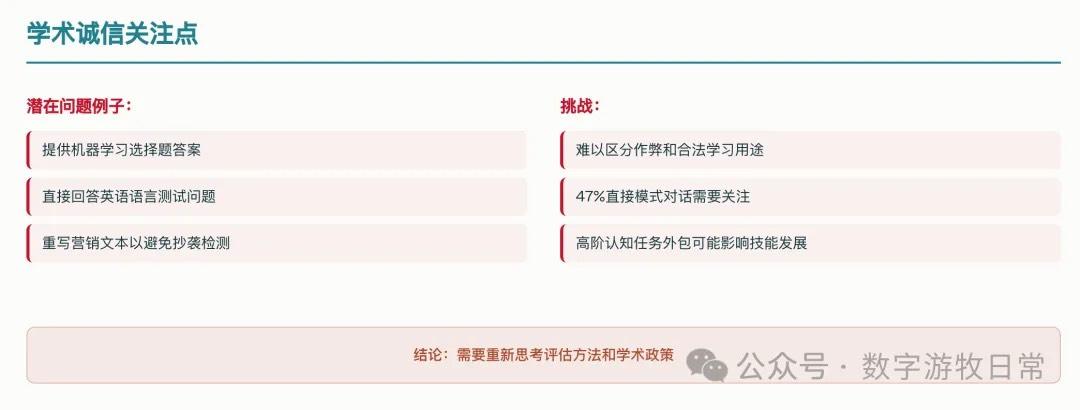
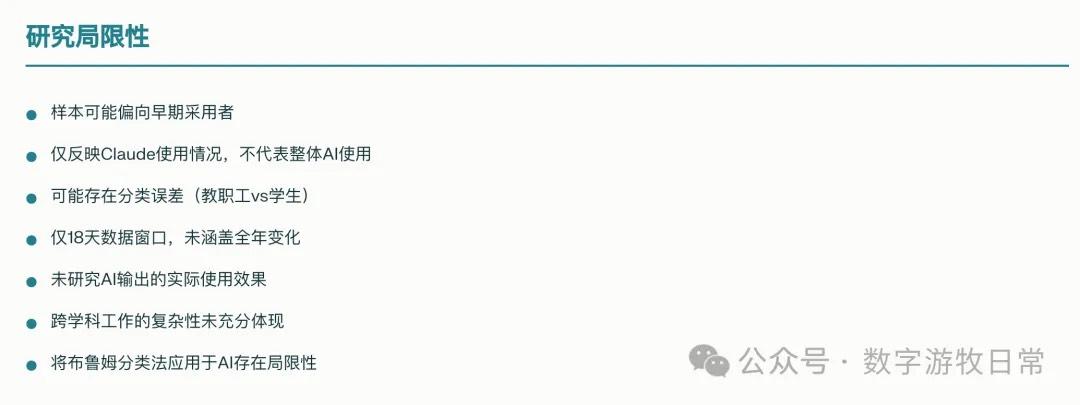
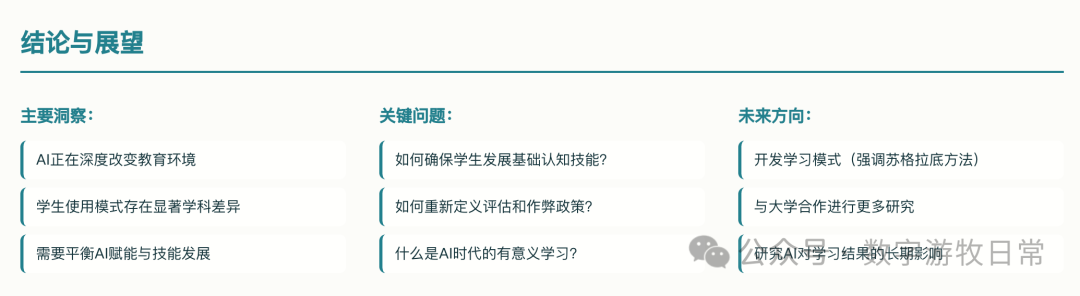
In fact, I have always believed that the profound challenges AI brings to the field of education will have the most far-reaching impact on society, especially in an era where education has become increasingly KPI-driven.
Consequently, building educational knowledge websites has always been a focus of my thinking, planning, and execution during my spare time. I have zero interest in commercialization (none at all), but I want to rethink certain issues through this process—or better yet, provide a bit of inspiration to others.
My latest starting point is using Gemini and Claude to build a C++ learning website, covering basic syntax, data structures, algorithms, and some advanced applications.
Building this preliminary version took about an afternoon, plus some subsequent scattered touch-ups. It basically covers simple descriptions and sample code for major content areas (I haven't had time to verify the accuracy of the sample code, but I trust current models are likely better at this than I am). It should be sufficient for a preliminary understanding.
I deployed the website to Vercel (https://learning-seven-lake.vercel.app/).
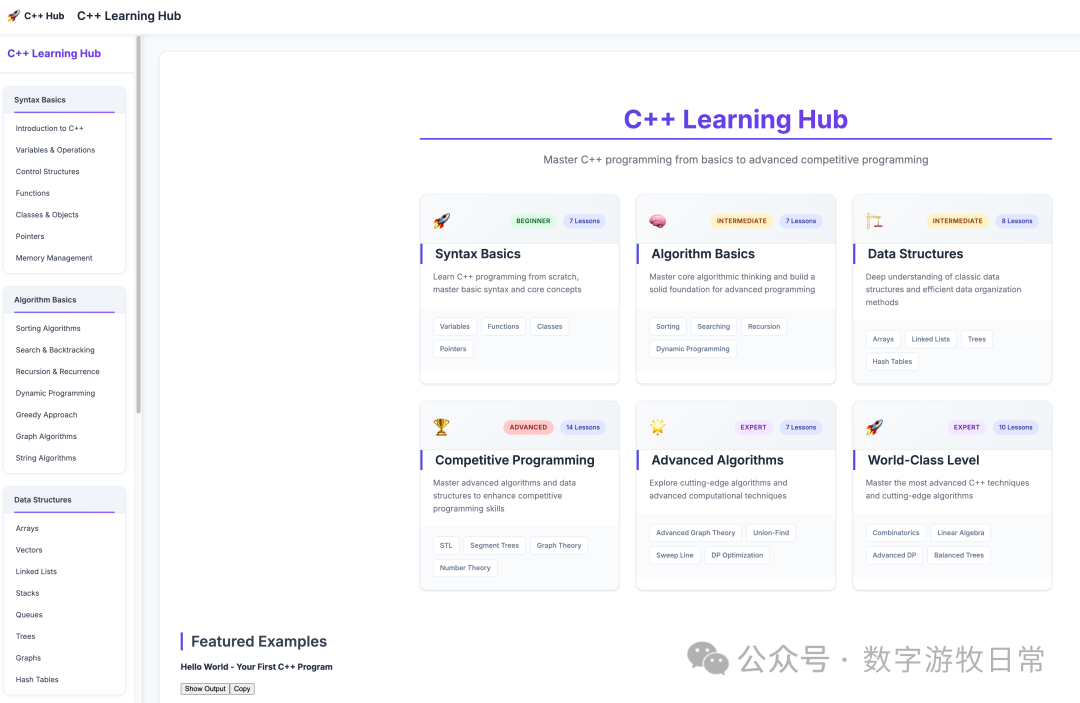
As usual, I generated it from scratch without manually correcting any code. This roughly aligns with the data analysis mentioned above: Education-related tasks tend toward "result generation."
Yes, if we define education as "acquiring knowledge" or "getting high scores," then AI has already done exceptionally well in at least the first area.
But is that really what education is?
- I think those majors and jobs that seem "more knowledge-intensive" and "highly correlated with high scores" might rapidly decrease (or already "are");
- I clearly remember that "curiosity" was one of the greatest drivers for me and many classmates to learn since childhood;
- Even in the middle and late stages of my career, I am still being "educated" every day: in my perception of the world, reflection on values, and the definition of what it means to be "human"...
Therefore, what I want to showcase is not the "knowledge" of the website itself, but rather how we obtain a "goal," how we achieve a "goal," and how we view from a higher perspective how knowledge is interconnected, produced, and how it supports the constant thinking of the brain.
In the world of the Internet and AI, if we want it, we already have enough resources to satisfy our "curiosity." The only question is: why do we "want" it?